Psychoanalysis and Education
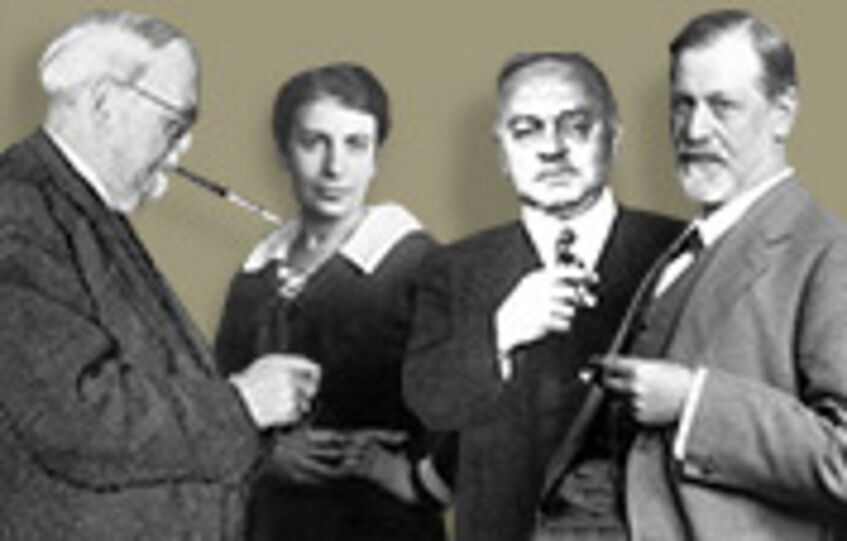
The Research Unit Psychoanalysis and Education represents a branch of educational studies initiated at the beginning of the 20th century in Vienna by people such as Sigmund and Anna Freud, Alfred Adler, August Aichhorn, Siegfried Bernfeld, and Fritz Redl.
Its central concern is the scientific exploration of the significance, in educational-scientific terms, of those dimensions of intra-psychic processes, relationships, developments and institutionalisations, which are either impossible or, in any event, very difficult, to access via conscious reflection and control.
Issues that represent a thematic focus of the Psychoanalysis and Education Research Unit include the study of problems relating to the psychoanalytic theory of personality and personal development, the elaboration of educational methods, the design and implementation of continuing education and training programmes, the investigation of the thematic / historic use of psychoanalysis in education, and the study of methodological issues in research within the context of education science. A goodly portion of the research activities currently underway is devoted to the areas of early education, counselling, supervision and psychotherapy, the development of ethnographic research tools, and observations according to the Tavistock model (Infant Observation and its derivative applications) and the thematic range of topics involving old age, dementia, and education.
Conferences 2024
International Conference
The Psychoanalytic Observation of Children
Origins and Recent Developments - Training and Research
Its Significance for Psychotherapy and other Fields of Psychosocial Work
19th-21st April, 2024 -- University of Vienna
Further information
International Conference
Psychoanalysis at Universities
Challenges, Concepts and Developments
in Education, Training and Research
An International Conference
at the University of Vienna
Conference Languages: English and German
6th-8th September, 2024 -- University of Vienna
Further information
Einladung zur Abschiedsveranstaltung von Univ.-Prof. Dr. Wilfried Datler
Einladung zur Abschiedsveranstaltung von
Univ.-Prof. Dr. Wilfried Datler
am 27. Juni 2024, 17.00 s.t.
im Großen Festsaal der Universität Wien
Universitätsring 1, 1010 Wien
Anfang und Ende.
Psychoanalytisch inspirierte Annäherungen
an herausfordernde Lebenslagen
aus der Perspektive von Wissenschaft und Literatur
Gastvortrag Dr.in Veronika Garms, Freitag, 12. April 2024, 19 Uhr, HS 7
Schrecken und Rückzug des anderen - Klinische Betrachtung zur frühen Mutter-Kind-Beziehungen und Migrationserfahrungen
International Wednesdays - Prof. Ricardo Ainslie, PhD (Austin/USA) - April 17th, 5 pm, HS 1
Buchpräsentation: 29.2.2024 - Präsentation des Buches "Akademisierung der Psychotherapie"
Sehr geehrte Kolleg'innnen und Interessent'innen,
ich möchte Sie auf die Vorstellung des Buches
"Akademisierung der Psychotherapie: Historische Annäherungen, historische Perspektiven und internationale Entwicklungen"
aufmerksam machen und Sie dazu herzlich einladen. Vor dem Hintergrund der aktuellen Debatten zum "Psychotherapiegesetz neu" wird die Präsentation des Buches am 29.2.2024 im Sigmund Freud Museum stattfinden. Es würde uns freuen, wenn Sie in physischer Präsenz oder via Zoom dabei sein könnten, zumal nach einer Vorstellung des Buches auch eine Diskussion vorgesehen ist.
Zeit: Donnerstag, 29. Februar 2024 um 19 Uhr
Ort: Bibliothek der Psychoanalyse im Sigmund Freud Museum
Zoom: Eine Teilnahme via Zoom ist möglich, eine elektronische Anmeldung dafür ist nötig
Moderation: Daniela Finzi
Anmeldung, Zoom-Registrierung und weitere Informationen unter:
www.freud-museum.at/de/detail/akademisierung-psychotherapie
Das Buch wird von Barbara Haid in ihrer Funktion als Präsidentin des Österreichischen Bundesverbands für Psychotherapie sowie von mir (Wilfried Datler, Institut für Bildungswissenschaft) und Christian Korunka (Fakultät für Psychologie) vorgestellt. Anschließend ist eine Diskussion vorgesehen.
Mit freundlichen Grüßen auch im Namen von Christian Korunka
Wilfried Datler
P.S.: Zur Ergänzung aus dem Ankündigungstext des Sigmund Freud Museums:
Nach intensiven Vorarbeiten und Diskussionen wurde im Jänner 2024 der Entwurf für das „Psychotherapiegesetz neu“ zur Begutachtung veröffentlicht. Dieser Entwurf sieht eine dreiphasige Psychotherapieausbildung vor, die ein Bachelor- und Masterstudium sowie eine dritte, postgraduale Phase umfasst. Wird das vorliegende „Psychotherapiegesetz neu“ im Parlament beschlossen, führt dies zu grundlegenden Veränderungen der psychotherapeutischen Ausbildungssituation in Österreich.
Viele Fragen, die sich in diesem Zusammenhang ergeben, werden in dem wenige Monate zuvor erschienenen Sammelband "Akademisierung der Psychotherapie" (Facultas, 2023) aufgegriffen und in Hinblick auf das „Psychotherapiegesetz neu“ in neunzehn Beiträgen von insgesamt 28 Expert:innen behandelt. Der Band zeigt auf, dass in der Psychotherapie bereits früh die Notwendigkeit einer engen Verschränkung von Theorie und Praxis erkannt und in bahnbrechender Weise durch die Einbeziehung von Selbsterfahrung, Praxis und Supervision umgesetzt wurde. Mehrere Autor:innen plädieren für die Weiterentwicklung bestehender Formen der Kooperation zwischen Universitäten und psychotherapeutischen Fachgesellschaften und erläutern, welche weitreichenden Folgen diese Kooperationen auch für außeruniversitäre psychotherapeutische Ausbildungseinrichtungen haben. In Ergänzung dazu werden sämtliche Kooperationen, die in Österreich existieren, dokumentiert, Daten zur Ausbildung und beruflichen Situation von Psychotherapeut:innen präsentiert und Bezüge zu internationalen Entwicklungen hergestellt.
Barbara Haid, Präsidentin des Österreichischen Bundesverbandes für Psychotherapie (ÖBVP), wird über die Relevanz des Bandes für die Gestaltung der Zukunft der Psychotherapieausbildung und Psychotherapieforschung unter Berücksichtigung der psychotherapeutischen Versorgungsnotwendigkeiten sprechen.
Wilfried Datler und Christian Korunka, die an der Herausgabe des Bandes mitgewirkt haben, werden insbesondere auf jene Passagen des Buches Bezug nehmen, welche das Theorie-Praxis-Verhältnis in der Psychotherapieausbildung unter dem Aspekt der Professionalisierung und Akademisierung beleuchten.
BUCHNEUERSCHEINUNG
Wilfried Datler, Alexandra Drossos, Elke Gornik, Christian Korunka (Hg.)
AKADEMISIERUNG DER PSYCHOTHERAPIE
Aktuelle Entwicklungen, historische Annäherungen und internationale Perspektiven
1991 wurde das Tätigkeitsfeld der Psychotherapie in Österreich erstmals gesetzlich geregelt. Seither gab es viele Entwicklungen, die zu einer Diskussion der Neufassung des Psychotherapiegesetzes führten. In diesem Zusammenhang kommt der Akademisierung der Psychotherapie besonderes Gewicht zu.
Im vorliegenden Buch wird der Frage nachgegangen, wie die Akademisierung der Psychotherapie sinnvoll umgesetzt werden kann und welche Entwicklungen vermieden werden sollen. In Verbindung damit wird dem Für und Wider von Kooperationen zwischen anerkannten fachspezifischen Ausbildungseinrichtungen und Universitäten unter Einbeziehung von Erfahrungsberichten nachgegangen.
Weitere Beiträge stellen Verbindungen zu historischen Entwicklungen und internationalen Diskussionen her – und werfen einen kritischen Blick auch auf die aktuellen Entwicklungen in Deutschland.
Veranstaltungen, die bereits stattgefunden haben
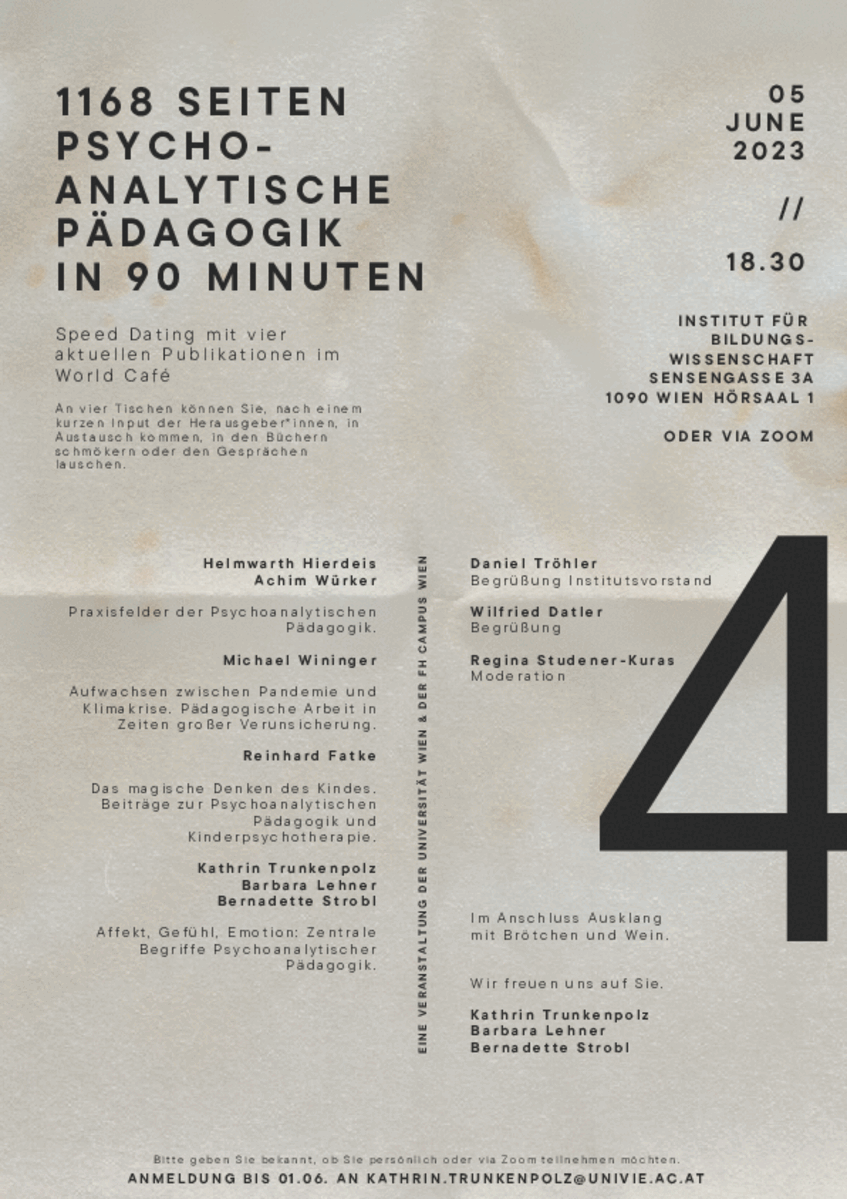
1168 SEITEN PSYCHO-ANALYTISCHE PÄDAGOGIK IN 90 MINUTEN